
Is Delta-9 THC Legal in Wisconsin? 2026 Hemp Law Guide
Hemp-derived Delta-9 THC products can still qualify as hemp under the current federal framework when they meet the current 0.3% delta-9 THC dry-weight definition and other applicable requirements. Federal law is scheduled to change on November 12, 2026, and the new definition could remove many current Delta-9 products from the federal definition of hemp.
The current federal hemp definition still uses a delta-9 THC concentration limit of not more than 0.3% on a dry-weight basis. A new federal definition is scheduled to take effect on November 12, 2026. It changes the standard to total THC and creates a separate 0.4 mg-per-container limit for many final hemp-derived cannabinoid products.[1][2]
On August 8, the U.S. Senate passed a funding measure that would delay the new hemp rules by one month. The House must still approve the measure before that delay can become law.[6]
Hemp-derived Delta-9 THC can currently fall within the federal definition of hemp when the cannabis material or product meets the applicable limit of not more than 0.3% delta-9 THC on a dry-weight basis. Wisconsin has also used the federal hemp framework. The legal landscape is scheduled to change on November 12, 2026.[1][4]
What is hemp-derived Delta-9 THC?
Delta-9 tetrahydrocannabinol, or Delta-9 THC, is a cannabinoid found in cannabis. It is the primary psychoactive THC compound associated with cannabis. Hemp and marijuana come from the same plant species, Cannabis sativa. Federal law separates hemp from marijuana through legal definitions based on cannabinoid content and other requirements.[2]
“Hemp-derived Delta-9 THC” describes Delta-9 THC in a product that is made from material classified as hemp. The Delta-9 molecule itself is not a different molecule simply because it came from hemp. The legal classification of the plant or product is what differs.
Is hemp-derived Delta-9 THC legal in Wisconsin right now?
Wisconsin law has operated with a hemp definition tied to the federal hemp framework. Under the current federal definition, hemp is Cannabis sativa and its derivatives with a delta-9 THC concentration of not more than 0.3% on a dry-weight basis. Products must also comply with any other federal, state, and local rules that apply to the product.[1][5]
Wisconsin ended its state hemp grower licensing program after 2021. Since January 1, 2022, Wisconsin hemp growers have been licensed through the U.S. Department of Agriculture.[4]
Is hemp-derived Delta-9 the same THC found in marijuana?
Chemically, Delta-9 THC is Delta-9 THC. The source does not create a different Delta-9 molecule. The legal distinction comes from how federal and state law classify the cannabis plant and the resulting product.
This is why a hemp-derived Delta-9 gummy can produce intoxicating effects even though the product is sold under the hemp framework. “Hemp-derived” describes its legal and production context. It does not mean that the Delta-9 molecule is non-intoxicating.
How can a gummy contain 10 mg of Delta-9 THC and still meet a 0.3% limit?
The current federal limit is a percentage of the product's dry weight. It is not a fixed number of milligrams per package. A heavier product can therefore contain more milligrams of Delta-9 THC while remaining at or below 0.3% by dry weight.
In this simplified example, a 3.3-gram product at exactly 0.3% Delta-9 THC would contain about 9.9 mg of Delta-9 THC.
Actual compliance depends on the tested product and the applicable legal requirements. This example only explains the mathematics of a percentage-based dry-weight standard.
What changes on November 12, 2026?
Congress enacted a new federal hemp definition in November 2025. The new definition is scheduled to take effect 365 days after enactment, on November 12, 2026.[2][3]
The new plant-level definition uses total THC, including THCA, instead of only delta-9 THC. The total-THC limit remains not more than 0.3% on a dry-weight basis.[2]
The law also creates a separate rule for final hemp-derived cannabinoid products. A final product containing more than 0.4 mg combined total per retail container of total THC and certain other THC-like cannabinoids is excluded from the federal definition of hemp.[2][3]
What could the new rule mean for Delta-9 gummies?
Many hemp-derived Delta-9 gummies sold under the current dry-weight framework contain several milligrams of Delta-9 THC in one serving. A retail package can contain much more than 0.4 mg in total.
If the new federal definition takes effect as written, a final hemp-derived cannabinoid product with more than 0.4 mg combined total THC per container would not meet the new federal definition of hemp.[2][7]
This is a major change from the current percentage-based framework for finished products.
Does the 0.4 mg limit apply to one serving or the whole package?
The new federal rule applies the 0.4 mg test to the retail container. The law defines a container as the innermost packaging or vessel that directly holds the finished product for retail sale. Examples include a jar, bottle, bag, box, packet, can, carton, or cartridge.[3]
It is therefore not a 0.4 mg-per-serving rule.
How is Delta-9 different from Delta-8 THC?
Delta-8 THC and Delta-9 THC are different THC compounds. Both can have psychoactive effects. Delta-9 is the primary psychoactive THC naturally associated with cannabis.
The incoming federal hemp definition also addresses cannabinoids that were synthesized or manufactured outside the cannabis plant. This provision is especially relevant to many commercial Delta-8 products.[2]
What should Wisconsin consumers check before buying a Delta-9 product?
Start with the product label and a current Certificate of Analysis, or COA. The COA should identify the tested cannabinoid content. Reputable sellers should make testing information easy to find.
Also check the serving size, total amount of THC in the package, ingredient list, manufacturer information, and any warnings on the label. Do not drive or operate machinery after using an intoxicating THC product. Keep THC products away from children and pets.
Could the November deadline still change?
Yes. Congress can amend the law before the scheduled effective date.
On August 8, 2026, the Senate passed a short-term funding measure that contains a one-month delay of the hemp changes. The House must still approve the measure before the delay can take effect.[6]
Separate legislation has also been introduced that would replace the 365-day implementation period with three years. That legislation has not become law.[8]
What the 2026 change means for Door County Cannabis Co.
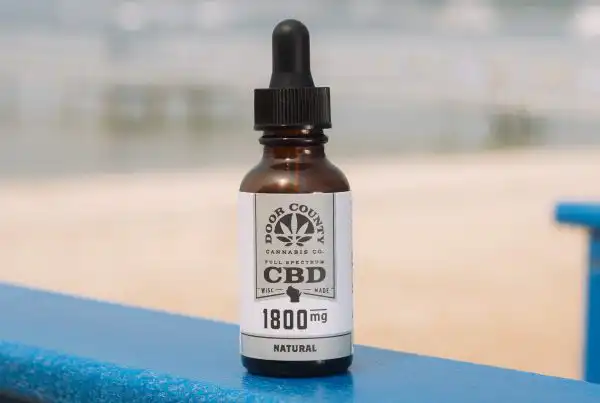
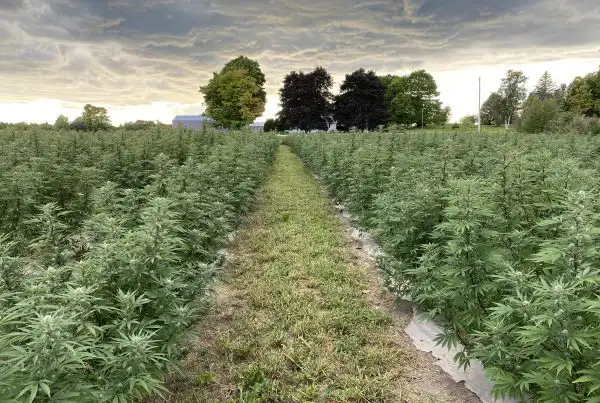
Door County Cannabis Co. began with hemp grown on a Wisconsin farm. Hemp-derived cannabinoid products, including Delta-9 products, became part of the business under the federal hemp framework created after the 2018 Farm Bill.
The new federal definition creates an uncertain future for many products that can qualify as hemp today. That uncertainty is already affecting our business.
In August 2026, Square notified Door County Cannabis Co. that it plans to stop supporting businesses that primarily sell CBD and hemp-derived products. Square told us that our account is scheduled to close on November 5, 2026.
We are sharing our experience because these changes affect real Wisconsin farms, businesses, retailers, and customers.
Stock Up While Current Inventory Is Available.
Our hemp-derived Delta-9 products remain available while inventory lasts. If Door County Cannabis Co. products are part of your routine, this is a meaningful time to support the Wisconsin farm behind them.
Wisconsin Delta-9 THC FAQ
Is Delta-9 THC legal in Wisconsin in 2026?
Hemp-derived Delta-9 products can currently fall within the hemp framework when they meet the current applicable hemp definition and other legal requirements. The federal definition is scheduled to change on November 12, 2026.[1][2]
Is hemp-derived Delta-9 real THC?
Yes. Delta-9 THC is the same cannabinoid molecule regardless of whether its legal source is classified as hemp or marijuana. The legal classification of the plant and product is what differs.
How can a Wisconsin hemp gummy contain 10 mg of Delta-9 THC?
The current federal hemp limit is based on Delta-9 THC as a percentage of dry weight. A product weighing about 3.3 grams could contain about 9.9 mg of Delta-9 THC at exactly 0.3% by dry weight.
What happens to Delta-9 gummies in November 2026?
The incoming federal definition excludes many final hemp-derived cannabinoid products containing more than 0.4 mg combined total THC per retail container. If the law takes effect as written, many current Delta-9 products would not fit the new federal definition of hemp.[2][7]
Is the new limit 0.4 mg per gummy?
No. The statute applies the limit to the retail container, not only to one serving. The statute defines the container as the innermost retail packaging in direct contact with the finished product.[3]
Has the November 12 deadline been delayed?
Not yet as of August 12, 2026. The Senate passed legislation containing a one-month delay, but the House still must approve the measure.[6]
Sources
- Congressional Research Service. Current Legal Status of Cannabis Under the Controlled Substances Act.
- Congressional Research Service. Changes to the Statutory Definition of Hemp and Issues for Congress.
- U.S. Congress. H.R. 5371 enrolled text, Section 781.
- Wisconsin Department of Agriculture, Trade and Consumer Protection. Wisconsin Hemp Resources.
- Wisconsin State Legislature. Wis. Stat. § 94.55.
- Associated Press. Senate approves funding bill containing a one-month hemp delay, August 8, 2026.
- Congressional Research Service. Changes to the Federal Definition of Hemp: Legal Considerations Under the Controlled Substances Act.
- U.S. Congress. S. 3686, Hemp Planting Predictability Act.
This article is for general information only. It is not legal advice. Hemp and cannabinoid laws can change. Check current federal, state, and local requirements before making a legal or business decision.